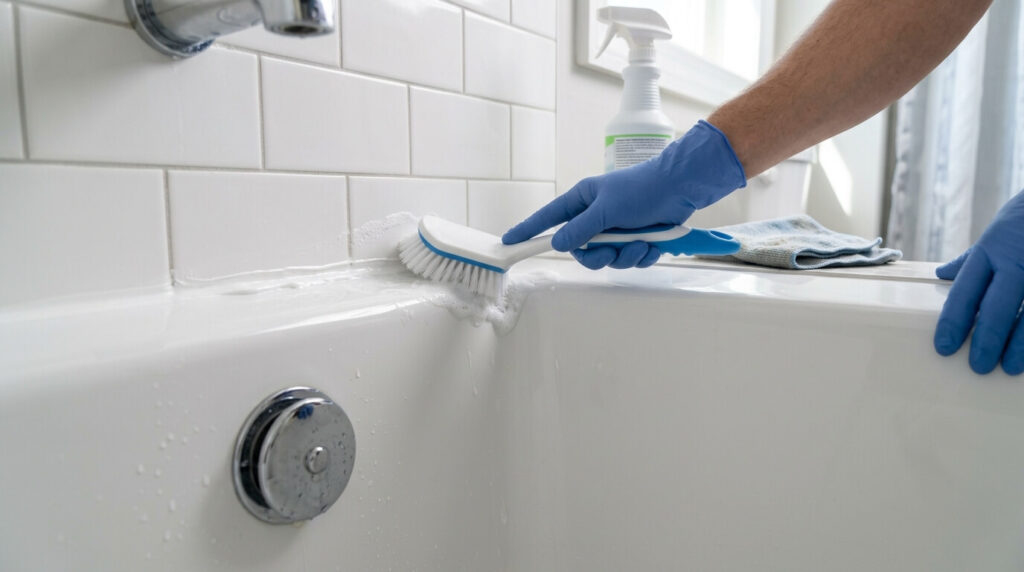
An acrylic bathtub is one of the most popular choices for modern bathrooms because it is lightweight, comfortable, affordable, and easier to care for than many traditional tub materials. Whether you are remodeling your bathroom or trying to learn how to clean acrylic bathtub surfaces safely, the right care can keep your tub glossy for years.
The most important rule is simple: treat acrylic gently. Use soft cloths, mild cleaners, warm water, and non-abrasive tools. Avoid bleach, ammonia, acetone, steel wool, and rough powders because they can scratch, dull, or damage the surface.

What Is an Acrylic Bathtub?
An acrylic bathtub is made from sheets of acrylic plastic that are heated, shaped, and usually reinforced for strength. The surface is smooth, glossy, and non-porous, which means dirt and soap scum do not stick as deeply as they can on rougher surfaces.
A good acrylic tub feels warmer to the touch than metal tubs, holds bathwater heat well, and comes in many sizes and styles. This makes it popular for alcove tubs, freestanding tubs, soaking tubs, and shower-tub combinations.
Benefits of an Acrylic Bathtub
- Lightweight and Easier to Install
An acrylic bathtub is usually lighter than cast iron or stone. This can make installation easier, especially in upstairs bathrooms.
- Comfortable and Warm
Acrylic does not feel as cold as metal. It also helps bathwater stay warm longer, which makes it good for soaking.
- Affordable for Bathroom Remodels
For many homeowners, an acrylic tub gives a clean, modern look without the higher price of stone, copper, or cast iron.
- Easy to Clean
Because the surface is smooth and non-porous, regular cleaning is simple. A quick rinse, mild cleaner, and microfiber cloth can prevent most buildup.
- Many Design Options
You can find acrylic bathtubs in white, black, oval, rectangular, alcove, drop-in, freestanding, and soaking styles.

Acrylic Bathtub Pros and Cons
| Feature | Pros | Cons |
|---|---|---|
| Weight | Lightweight | May need proper support |
| Cleaning | Easy with mild products | Scratches if cleaned harshly |
| Comfort | Warm and smooth | Can dull over time if neglected |
| Cost | Usually budget-friendly | Premium designs cost more |
| Style | Many shapes and sizes | Cheap models may feel thin |
How to Clean Acrylic Bathtub Safely
Here is a safe, simple method for how to clean acrylic bathtub surfaces without damaging the finish.
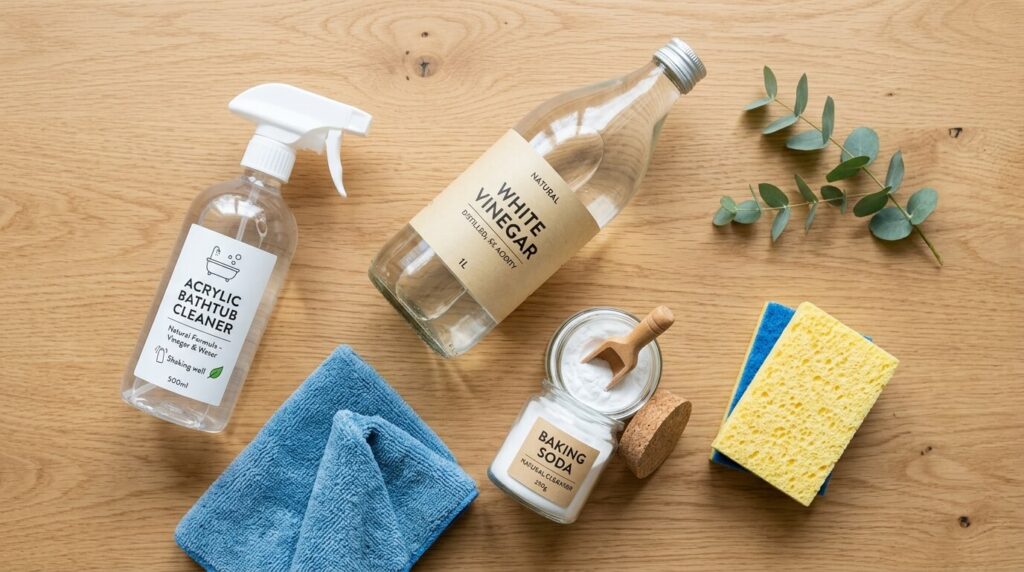
Supplies You Need
Soft microfiber cloth
Non-abrasive sponge
Warm water
White vinegar
Baking soda
Mild dish soap
Spray bottle
Soft toothbrush for corners and around the drain
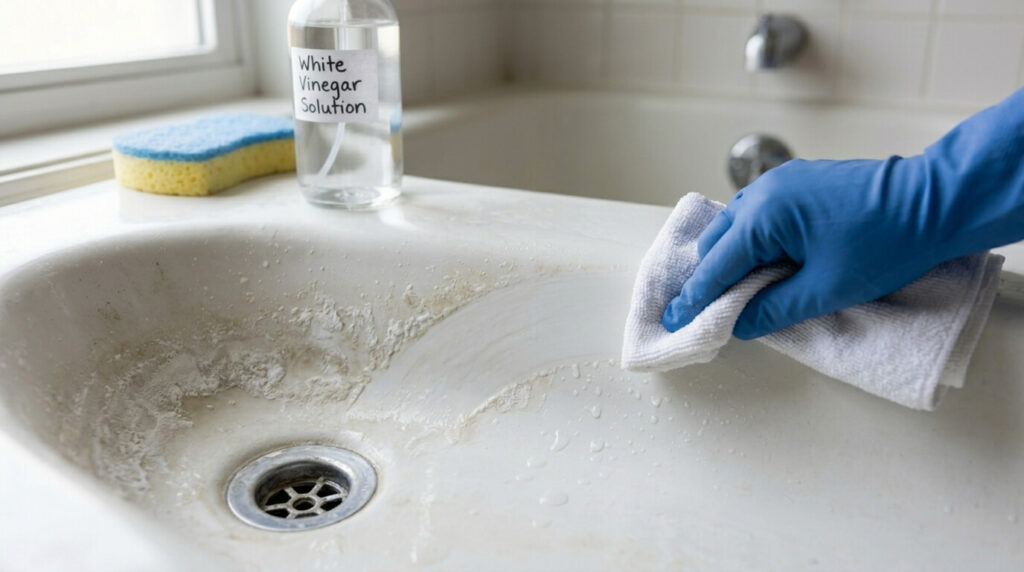
Daily Cleaning Routine for an Acrylic Bathtub
A daily routine takes less than two minutes.
Rinse the acrylic bathtub with warm water after use.
Wipe away soap, shampoo, and body oil with a soft cloth.
Dry the tub if your area has hard water.
Keep bottles, toys, and bath mats from sitting wet on the surface.
Check corners and the drain area for hair or soap buildup.
This helps stop soap scum, water spots, and mildew before they become hard to remove.
Weekly Cleaning Method
Use this once a week for normal cleaning.
Step 1: Rinse the Tub
Rinse the full acrylic tub with warm water.
Step 2: Apply Mild Cleaner
Mix warm water with a little mild dish soap, or use a cleaner labeled safe for acrylic.
Step 3: Wipe Gently
Use a soft sponge or microfiber cloth. Do not scrub aggressively.
Step 4: Rinse Well
Cleaner residue can leave streaks, so rinse everything away.
Step 5: Dry the Surface
Use a clean towel to keep the shine and prevent water spots.
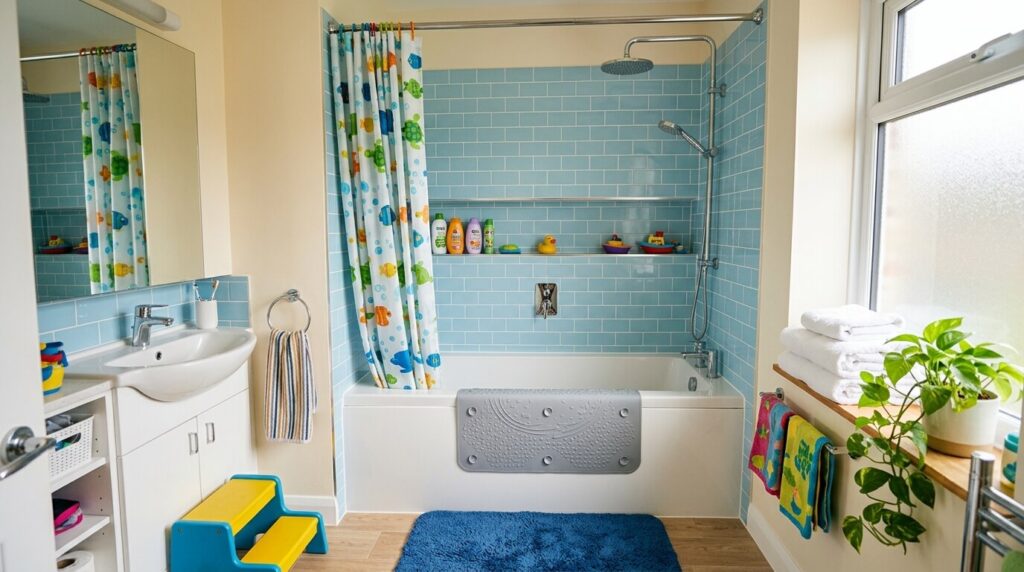
Deep Cleaning an Acrylic Bathtub
For a deeper clean, use diluted vinegar.
Vinegar Cleaning Mix
Mix equal parts white vinegar and warm water in a spray bottle. Spray the tub and let it sit for 10–15 minutes. Then wipe with a soft sponge and rinse well. Bath Fitter also recommends diluted vinegar as a safe option for acrylic tubs.
How to Remove Soap Scum from Acrylic Bathtub
Soap scum happens when soap mixes with minerals in water.
Use this method:
Spray diluted vinegar on the soap scum.
Wait 10 minutes.
Wipe with a soft sponge.
Sprinkle a small amount of baking soda only on stubborn spots.
Rinse fully.
For less soap scum, use liquid body wash instead of bar soap.
How to Remove Hard Water Stains
Hard water stains often look white, cloudy, or chalky.
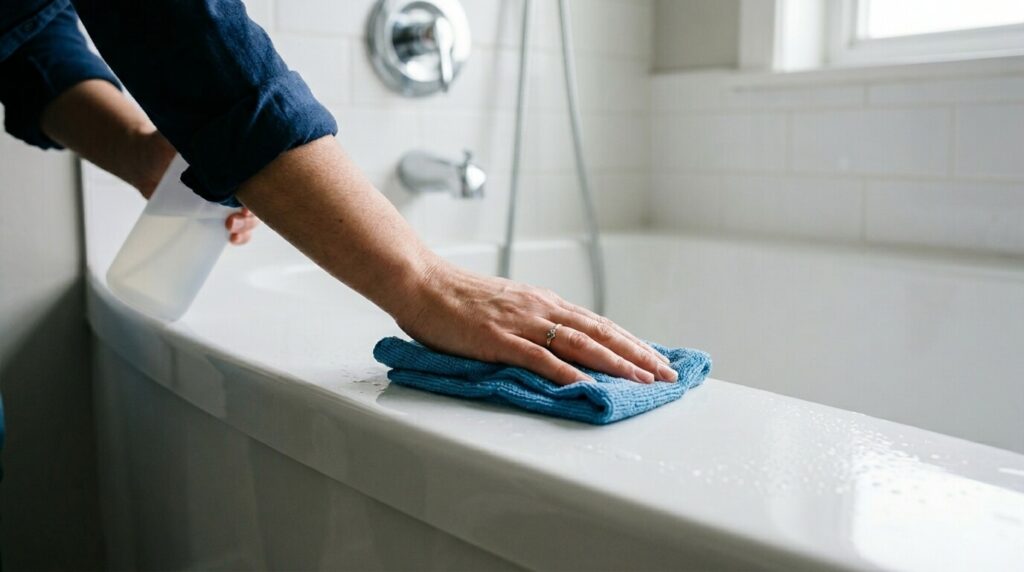
Try this:
Soak paper towels in diluted white vinegar.
Place them over the stains for 20–30 minutes.
Remove and wipe gently.
Rinse the acrylic bathtub with warm water.
Dry with microfiber cloth.
A showerhead filter can also help reduce mineral buildup.
How to Remove Yellow Stains from Acrylic Tub
Yellow stains may come from body oils, soap residue, minerals, or old cleaner residue.
Use this gentle paste:
2 tablespoons baking soda
A few drops of water
Optional: small amount of mild dish soap
Apply the paste to the stain, wait 10 minutes, wipe gently, and rinse. Do not use bleach unless your tub manufacturer clearly says it is safe.
How to Remove Rust Marks
Rust marks usually come from metal cans, shaving cream containers, old fixtures, or water with iron.
Use a mild acrylic-safe rust remover or a gentle paste made for non-abrasive cleaning. Test any product on a hidden spot first. Streamline also recommends testing products before using them across the tub.
What Not to Use on Acrylic Bathtub
Avoid these:
Bleach
Ammonia
Acetone
Paint thinner
Steel wool
Scouring pads
Abrasive powders
Magic erasers used aggressively
Harsh drain cleaners touching the tub surface
These can scratch, discolor, or dull the acrylic bathtub finish. Bath Fitter specifically warns against harsh chemicals, scouring pads, steel wool, and powdered cleaners.
Acrylic Bathtub | How To Clean Acrylic Bathtub
Best Cleaner for Acrylic Bathtub
The best cleaner for an acrylic bathtub is mild, non-abrasive, and approved for acrylic surfaces.
Good options include:
Mild dish soap and warm water
Diluted white vinegar
Acrylic-safe bathroom cleaner
Daily shower spray labeled safe for acrylic
Soft microfiber cloth
Always rinse after cleaning.
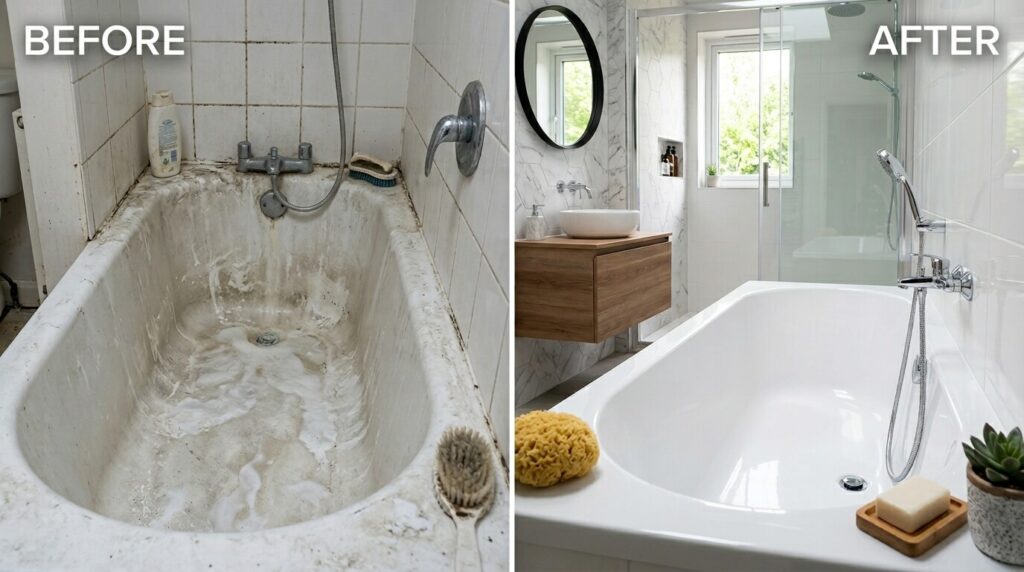
Acrylic Bathtub Maintenance Tips
To keep your acrylic tub looking new:
Rinse after every bath or shower.
Wipe dry if you have hard water.
Clean weekly with mild soap.
Deep clean monthly.
Avoid sharp objects.
Do not leave metal cans on the tub edge.
Use non-abrasive bath mats.
Clean around the drain and caulk.
Fix leaks quickly.
Keep the bathroom ventilated.
Acrylic Bathtub vs Fiberglass Tub
| Feature | Acrylic Bathtub | Fiberglass Tub |
|---|---|---|
| Durability | Better | Lower |
| Finish | Glossy | Can fade faster |
| Cost | Moderate | Usually cheaper |
| Repair | Often repairable | Can crack more easily |
| Feel | Warmer, smoother | Lighter but thinner |
An acrylic bathtub is usually a better long-term choice if your budget allows.
Acrylic Bathtub vs Cast Iron Tub
| Feature | Acrylic Bathtub | Cast Iron Tub |
|---|---|---|
| Weight | Light | Very heavy |
| Heat retention | Good | Excellent |
| Cost | Lower | Higher |
| Installation | Easier | Harder |
| Style | Many modern styles | Classic, premium look |
Choose acrylic for affordability and easier installation. Choose cast iron for luxury and long life.
How Long Does an Acrylic Bathtub Last?
A good acrylic bathtub can last many years with proper care. Its lifespan depends on quality, installation, cleaning habits, water type, and how gently it is used.
The fastest way to shorten its life is using abrasive cleaners, harsh chemicals, or rough scrubbing tools.
Common Acrylic Bathtub Problems
Scratches
Light scratches may be buffed or repaired with an acrylic repair kit.
Dull Finish
Usually caused by harsh cleaners or abrasive pads.
Stains
Often caused by hard water, soap scum, bath products, or metal containers.
Cracks
May happen from poor support, impact, or low-quality installation.
Mold Around Caulk
This is usually not the acrylic itself, but the caulk or corners around the tub.
FAQs About Acrylic Bathtub
- What is the best way to clean an bathtub?
The best way to clean an bathtub is with warm water, mild dish soap, and a soft microfiber cloth. For soap scum, use diluted white vinegar.
- Can you use vinegar on bathtub?
Yes, diluted white vinegar is generally safe for an acrylic tub. Mix it with warm water and rinse well after cleaning.
- Can baking soda scratch bathtub?
Baking soda is mild, but it should still be used gently. Do not scrub hard.
- Can I use bleach on bathtub?
It is better to avoid bleach unless the manufacturer says it is safe. Bleach can discolor or damage some acrylic finishes.
- How often should I clean an bathtub?
Rinse after every use, clean weekly, and deep clean once a month.
- Why is my this bathtub turning yellow?
Yellowing can come from soap residue, hard water, body oils, harsh cleaners, or age.
- How do I keep this bathtub shiny?
Use gentle cleaners, rinse well, dry after use, and avoid abrasive pads.
- Is this bathtub better than fiberglass?
Usually yes. Acrylic bathtubs are often stronger, glossier, and longer-lasting than fiberglass tubs.
- Do this bathtubs scratch easily?
They can scratch if you use rough tools, steel wool, or abrasive cleaners.
- Is this bathtub good for bathroom remodels?
Yes. It is affordable, lightweight, stylish, and easy to maintain.