
What are Bathtubs Made of? Bathtubs are made from acrylic, cast iron, fiberglass, and more. This guide breaks down every material’s pros, cons, costs, and lifespan — so you choose right. Most people never think about what their bathtub is made of — until they’re standing in a showroom or facing a bathroom remodel. The material matters more than you’d expect. It affects how long your bath stays warm, how heavy the tub is, how easy it is to clean, and how much you’ll spend.
This guide covers every major bathtub material, with honest pros and cons, real cost estimates, and a simple way to figure out which one fits your home and lifestyle.
Quick Comparison: Bathtub Materials at a Glance
| Material | Durability | Heat Retention | Weight (Empty) | Cost Range | Best For |
|---|---|---|---|---|---|
| Acrylic | Good | Good | 50–70 lbs | $200–$900 | Most homeowners |
| Fiberglass | Fair | Fair | 40–60 lbs | $100–$500 | Budget remodels |
| Cast Iron | Excellent | Excellent | 300–500 lbs | $400–$2,500+ | Luxury, long-term use |
| Enameled Steel | Good | Poor | 70–100 lbs | $200–$600 | Budget-friendly, clean look |
| Stone Resin | Excellent | Excellent | 200–400 lbs | $1,000–$5,000 | Modern luxury baths |
| Copper | Excellent | Excellent | 200–300 lbs | $1,000–$5,000+ | Unique, rustic design |
| Natural Stone | Very Good | Very Good | 300–800 lbs | $3,000–$10,000+ | High-end custom builds |
The 7 Most Common Bathtub Materials Explained
1. Acrylic Bathtubs
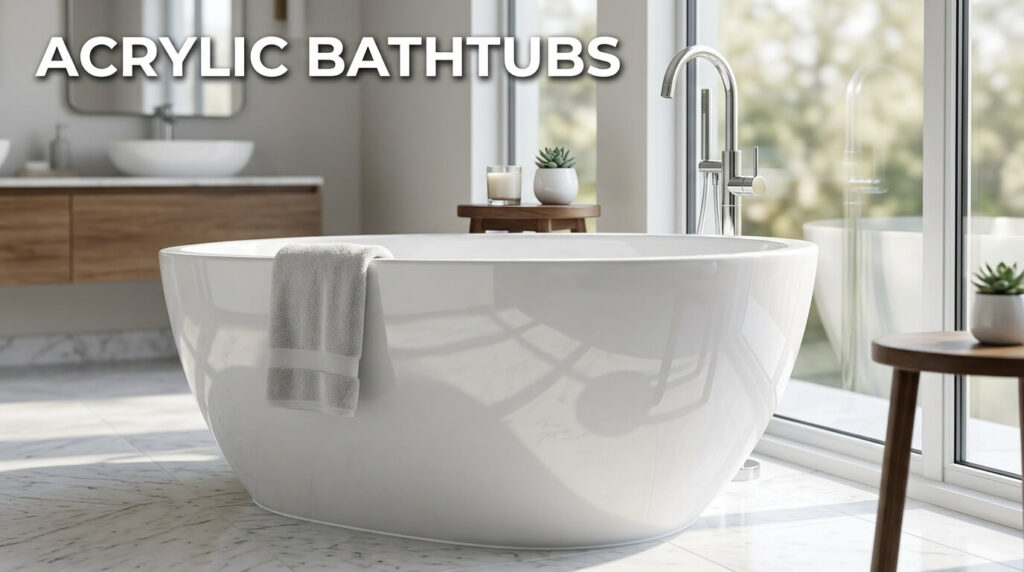
Acrylic is the most popular bathtub material in American homes today, and for good reason. It hits a sweet spot between price, performance, and ease of installation that few other materials can match.
How Acrylic Tubs Are Made
Acrylic sheets are heated until pliable, then vacuum-formed over a mold into the shape of a tub. The formed shell is reinforced with fiberglass on the underside for added strength and rigidity. The result is a lightweight, seamless surface that’s smooth to the touch.
Pros of Acrylic
- Lightweight (typically under 70 lbs), making upper-floor installation straightforward
- Non-porous surface resists staining and is easy to clean with mild cleaner
- Excellent color retention — acrylic holds color through the full thickness, so minor scratches are less visible
- Good heat retention keeps bathwater warmer longer than steel or fiberglass
- Available in an enormous range of shapes, sizes, and colors
- Generally repairable — scratches can be buffed out with the right kit
Cons of Acrylic
- Softer surface scratches more easily than cast iron or enameled steel
- Requires non-abrasive cleaners — harsh scrubbing pads will dull the surface
- May flex or feel less solid underfoot compared to heavier materials
- Lower-end acrylic tubs can warp or discolor over time
Best For
Homeowners looking for a durable, affordable, easy-to-install tub with good looks and manageable maintenance. Excellent choice for second-floor bathrooms.
2. Fiberglass Bathtubs
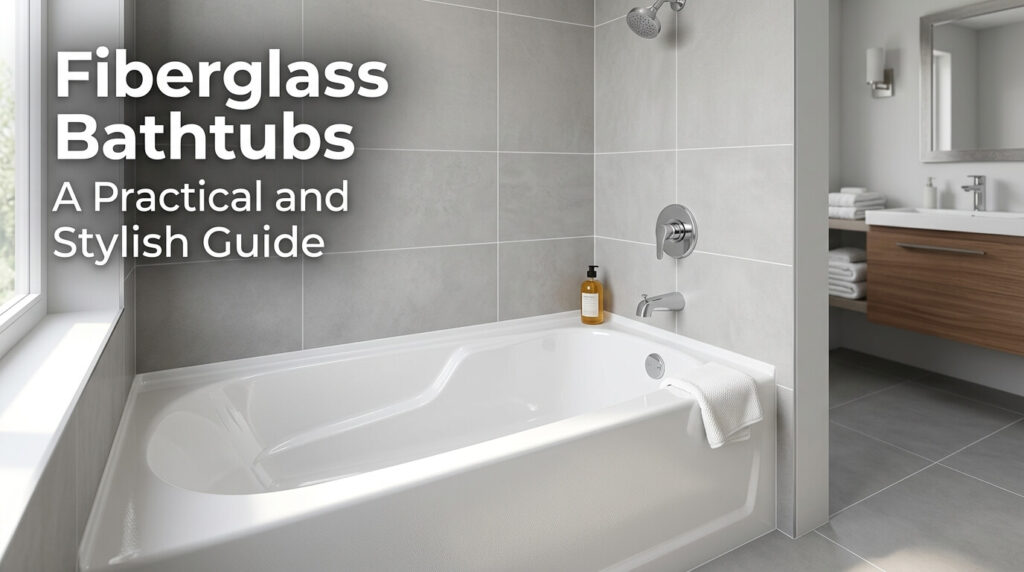
Fiberglass tubs are the entry-level option in most bathtub categories. They’re affordable, lightweight, and widely available — but they come with tradeoffs.
How Fiberglass Tubs Are Made
Unlike acrylic, fiberglass tubs are made by layering fiberglass strands with resin into a mold. The surface is coated with a gel coat (essentially a thin layer of colored resin) rather than solid-color material throughout.
Pros of Fiberglass
- The most affordable bathtub material on the market
- Very lightweight — easiest of all materials to transport and install
- Easy to repair chips and cracks with DIY kits
- Available in many standard sizes and styles
Cons of Fiberglass
- The gel coat is thin and wears away over time — leading to fading, yellowing, and a chalky appearance
- More susceptible to cracking and flexing than acrylic
- Porous over time once the gel coat wears down, making cleaning harder
- Shortest lifespan of major tub materials (10–15 years under normal use)
- Not the best heat retention — water cools faster
Best For
Budget-conscious buyers, rental properties, or temporary installations where long-term durability is less of a concern.
3. Cast Iron Bathtubs
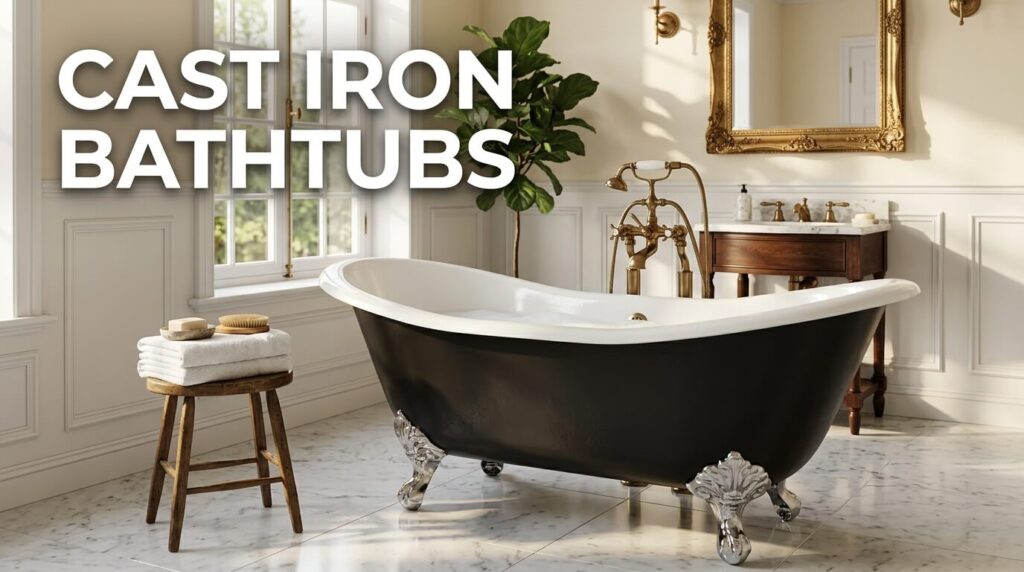
Cast iron bathtubs are the gold standard of durability. Many are still in active use after 80 or 100 years. If you’ve ever admired the claw-foot tubs in Victorian homes, they were almost certainly cast iron.
How Cast Iron Tubs Are Made
Molten iron is poured into a shaped mold and left to cool. Once solid, the rough iron surface is ground smooth, then coated with multiple layers of porcelain enamel. The enamel is fired at extremely high temperatures, fusing it permanently to the iron beneath. The result is an extraordinarily hard, glass-like surface over a nearly indestructible base.
Pros of Cast Iron
- Exceptional durability — properly maintained cast iron tubs can last a century
- Unrivaled heat retention: the dense iron mass holds heat far longer than any other material
- The enamel surface is highly resistant to chips, scratches, and stains
- Sound-dampening — water sounds quieter in cast iron than in hollow fiberglass or acrylic
- Classic, high-end appearance that adds value to any bathroom
Cons of Cast Iron
- Extremely heavy — most tubs weigh 300–500 lbs empty, and significantly more with water and a person inside
- May require floor reinforcement, especially on upper floors — always consult a structural engineer before installing
- Higher cost than most other materials
- Enamel can chip if struck hard with a sharp object (though chips can be repaired)
- Cold to the touch initially — takes longer to warm up than acrylic
Best For
Ground-floor installations, luxury bathroom renovations, freestanding clawfoot designs, and homeowners who want a tub that will outlast everything else in the house.
4. Porcelain-Enameled Steel Bathtubs
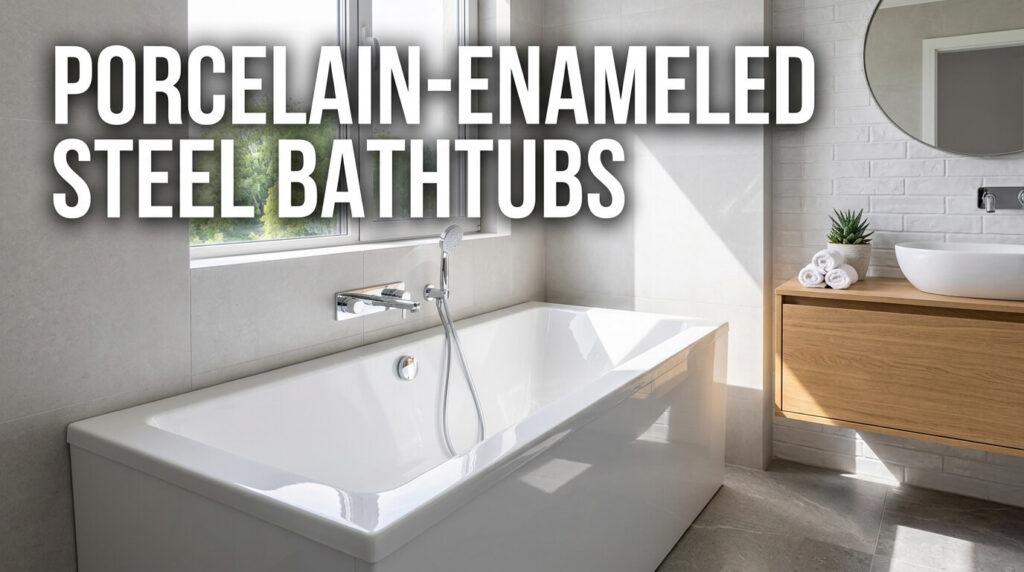
Enameled steel tubs look similar to cast iron — same glossy enamel finish — but the base metal is stamped steel rather than cast iron. This makes them much lighter while retaining a hard, smooth surface.
Pros of Enameled Steel
- Lighter than cast iron (70–100 lbs) — easier to handle during installation
- Lower cost than cast iron while offering a similar glossy appearance
- Smooth, hygienic, non-porous surface
- Resistant to household chemicals
Cons of Enameled Steel
- Poor heat retention — steel conducts heat away quickly, and bathwater cools faster than in acrylic, cast iron, or stone
- Chips and scratches more easily than cast iron enamel (the steel layer beneath can rust if chips are left unrepaired)
- Can be loud — water sounds hollow compared to cast iron
- Cold to the touch on cold mornings
Best For
Budget bathroom remodels where a clean, classic look is desired without the weight or cost of cast iron. Best if you prefer showers to long soaks.
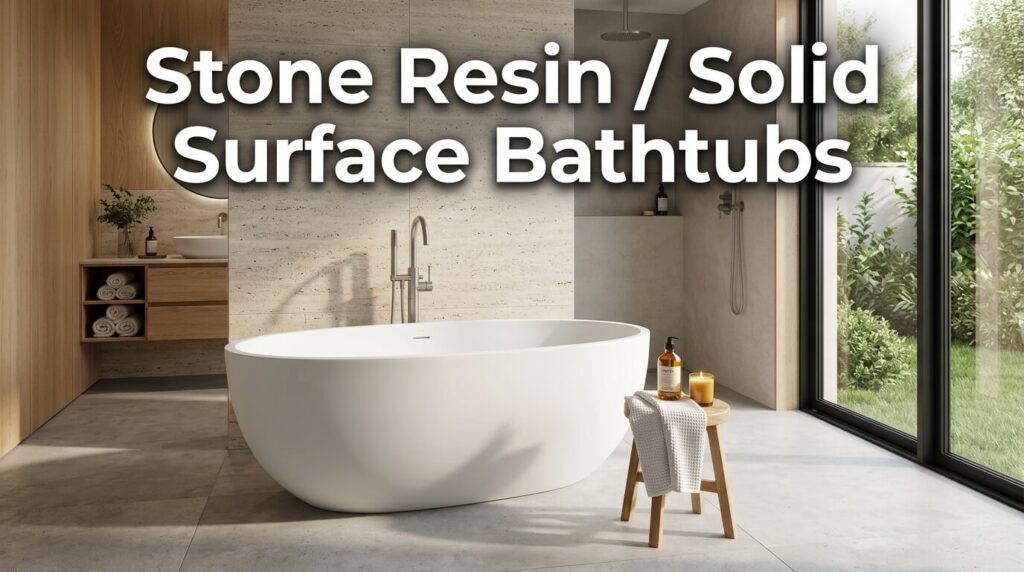
5. Stone Resin / Solid Surface Bathtubs
Stone resin tubs (sometimes called solid surface or composite stone) are made from a blend of natural stone powder — often quartz or limestone — bound with resin. The result is a dense, matte or glossy surface that looks and feels like stone but is lighter and more workable.
Pros of Stone Resin
- Excellent heat retention, rivaling cast iron
- Very durable and scratch-resistant
- Non-porous — doesn’t absorb soap scum, bacteria, or stains
- Warm to the touch, unlike cold metals
- Available in smooth, matte finishes that define contemporary bathroom aesthetics
- Easier to achieve sculptural, organic shapes than cast iron
Cons of Stone Resin
- High cost — quality stone resin tubs start around $1,000 and can exceed $5,000
- Heavy — often requires floor assessment before installation
- Limited repairability compared to acrylic or fiberglass
Best For
Modern, minimalist luxury bathrooms. Ideal for freestanding statement tubs where aesthetics matter as much as performance.
6. Copper Bathtubs
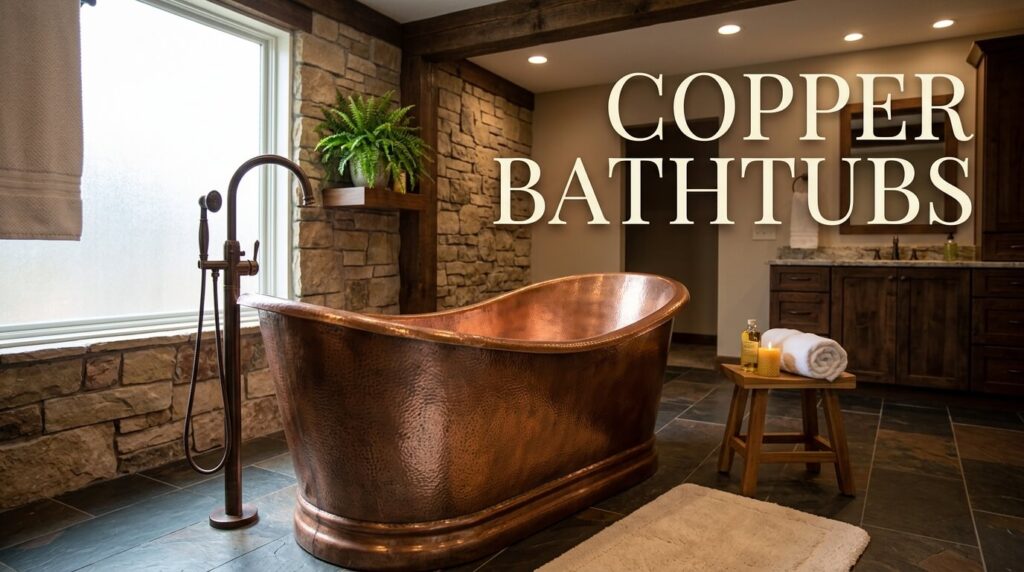
Copper tubs are a niche but stunning choice. Typically handcrafted, they develop a living patina over time that makes each tub unique.
Pros of Copper
- Natural antimicrobial properties — copper actively inhibits bacteria growth
- Outstanding heat retention
- Develops a beautiful, unique patina over time (or can be maintained with sealant)
- Extremely long-lasting if properly cared for
Cons of Copper
- Very expensive — most copper tubs cost $1,000–$5,000+
- Requires specific care: avoid acidic cleaners, which strip the patina
- Heavy and typically requires custom plumbing configuration
- Limited availability — mostly specialty or custom manufacturers
Best For
Rustic, farmhouse, or high-end eclectic bathrooms where the tub is a design focal point.
7. Natural Stone Bathtubs
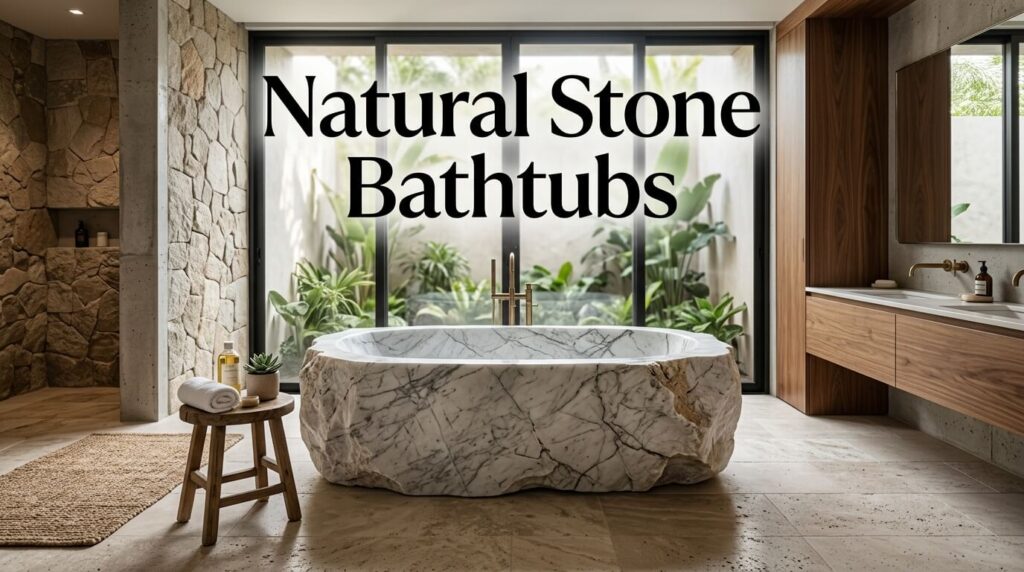
Natural stone tubs — carved from marble, granite, onyx, or travertine — represent the pinnacle of bathroom luxury. Each piece is one-of-a-kind.
Pros of Natural Stone
- Incomparable beauty and uniqueness
- Excellent heat retention
- Extremely durable when properly sealed and maintained
- Significant resale and design value
Cons of Natural Stone
- The most expensive option by a wide margin ($3,000–$10,000+)
- Extremely heavy — always requires floor reinforcement
- Porous if not properly sealed — requires regular resealing (annually or more)
- Cracks can be difficult or impossible to repair invisibly
Best For
Custom high-end builds, master suites, or spa-inspired bathrooms where cost is not a constraint.
Bathtub Material Lifespan: How Long Does Each Last?
| Material | Expected Lifespan |
|---|---|
| Fiberglass | 10–15 years |
| Acrylic | 15–30 years |
| Enameled Steel | 20–30 years |
| Cast Iron | 50–100+ years |
| Stone Resin | 30–50 years |
| Copper | 50–100+ years |
| Natural Stone | 50–100+ years (with maintenance) |
Proper care dramatically extends the life of any material. The biggest lifespan killers are abrasive cleaners on acrylic and fiberglass, ignored chips in enamel, and inadequate sealing on natural stone.
How to Tell What Material Your Bathtub Is Made Of
Not sure what your existing tub is made from? Try these four tests:
1. The Knock Test Knock on the side of the tub with your knuckle. A hollow, resonant sound suggests fiberglass or acrylic. A dense, solid thud points to cast iron or stone.
2. The Magnet Test Hold a small magnet against the tub’s exterior (not the inside surface). If it sticks, you have an enameled steel tub — steel is magnetic, while cast iron, acrylic, fiberglass, and stone are not.
3. The Temperature Test Place your palm on the dry tub surface. Fiberglass and acrylic feel relatively warm. Steel and cast iron feel cold. Stone resin feels neutral.
4. Check for Manufacturer Markings Look underneath the tub or inside the access panel. Many manufacturers stamp or label the material on the underside.
Which Bathtub Material Is Best for You?
The honest answer: it depends on four things.
If budget is your priority: Fiberglass ($100–$500) or enameled steel ($200–$600) are the most affordable starting points.
If you love long, hot baths: Cast iron or stone resin are the clear winners for heat retention. Acrylic is a solid middle-ground.
If you’re installing on an upper floor: Acrylic or fiberglass are safest — cast iron and stone may require floor reinforcement. Always verify with a contractor.
If longevity matters most: Cast iron, copper, and stone resin are built to last generations. An acrylic tub with good care can serve 20–30 years.
If you have mobility concerns: Look for acrylic or stone resin walk-in tubs. They tend to be warmer to the touch and more accessible in configuration.
Bathtub Materials and Refinishing: What You Need to Know
Most bathtub materials can be professionally refinished (reglazed) to restore a worn, stained, or discolored surface — extending the tub’s life significantly at a fraction of replacement cost.
- Cast iron and porcelain steel refinish beautifully and are ideal candidates
- Acrylic can be refinished but requires a specialist familiar with the material
- Fiberglass can be refinished, though frequent refinishing may be needed due to its shorter lifespan
- Stone resin and natural stone are generally not refinished — damaged areas are repaired by patching or resurfacing
Refinishing typically costs $300–$600 and can add 10–15 years to a tub’s life.
Environmental Considerations
Most eco-friendly (longevity): Cast iron and copper — both can last a century, dramatically reducing landfill waste over a lifetime of use.
Most recyclable: Steel and cast iron are fully recyclable metals.
Least eco-friendly: Fiberglass and many acrylic composite tubs are not easily recyclable and end up in landfills.
Natural stone: Environmentally intensive to quarry, but extremely long-lasting.
Expert Tips for Buying a New Bathtub
- Measure twice: Before ordering, verify the rough-in dimensions of your bathroom and access route. Some tubs won’t fit through standard doorframes.
- Check floor load capacity: Add the weight of the tub, water (~8.34 lbs/gallon), and the user. A 60-gallon cast iron tub with a 200-lb occupant can exceed 1,200 lbs. Consult a structural engineer if in doubt.
- Think about faucet compatibility: Not all tubs accept the same faucet configurations. Confirm deck-mount, freestanding, or wall-mount options before purchasing.
- Test the finish in person: Colors and textures vary significantly between product photos and real life.
- Ask about the warranty: Reputable manufacturers offer at least 1-year warranties; premium brands offer limited lifetime coverage.
FAQ What Are Bathtubs Made Of?
Q1: What are most bathtubs made of?
Most standard residential bathtubs in the United States are made from acrylic or fiberglass. These materials dominate the mid-range market due to their light weight, affordability, and ease of installation. Cast iron and enameled steel are common in older homes.
Q2: What is the most durable bathtub material?
Cast iron is the most durable bathtub material. With proper care, cast iron tubs can last 50 to 100+ years. The porcelain enamel coating is highly resistant to chips, stains, and scratches — outperforming acrylic and fiberglass by decades.
Q3: What is the best bathtub material for heat retention?
Cast iron, copper, and stone resin retain heat the longest. Cast iron’s dense mass holds warmth for significantly longer than acrylic or fiberglass, which are better insulators than enameled steel but still cool faster than heavy materials.
Q4: How do I know what material my bathtub is made of?
Try the magnet test: if a magnet sticks to the exterior, it’s enameled steel. Knock on the tub — hollow sounds suggest acrylic or fiberglass; a dense thud points to cast iron or stone. Check the underside for manufacturer labels.
Q5: Are acrylic or fiberglass bathtubs better?
Acrylic is generally better than fiberglass. Acrylic is more durable, retains color through its full thickness (making scratches less noticeable), and holds heat better. Fiberglass is cheaper upfront but tends to fade, yellow, and crack sooner.
Q6: How long does an acrylic bathtub last?
A well-maintained acrylic bathtub typically lasts 15–30 years. Using non-abrasive cleaners, avoiding harsh chemicals, and promptly repairing any scratches or chips significantly extends its lifespan.
Q7: Can fiberglass bathtubs be repaired?
Yes. Fiberglass bathtubs can be repaired with DIY repair kits available at most home improvement stores. Larger cracks or structural damage may require professional refinishing or replacement.
Q8: Are cast iron bathtubs too heavy for upstairs bathrooms?
In many cases, yes. Cast iron tubs can weigh 300–500 lbs empty, and considerably more when filled with water and a person. Always consult a structural engineer before installing a cast iron tub on an upper floor.
Q9: What is a stone resin bathtub?
Stone resin bathtubs are made from a composite of natural stone powder (commonly quartz or limestone) blended with resin. They offer the look and feel of natural stone with excellent heat retention, a non-porous surface, and lower weight than solid stone.
Q10: What is the cheapest bathtub material?
Fiberglass is the least expensive bathtub material, with basic models starting around $100–$200. Enameled steel is also affordable, typically ranging from $200–$600. Both are significantly less expensive than cast iron, stone resin, or natural stone.
Q11: What is the best material for a freestanding bathtub?
Stone resin and acrylic are the most popular materials for freestanding tubs. Stone resin offers the high-end look and excellent heat retention most freestanding designs demand. Acrylic freestanding tubs are lighter and more affordable while still offering attractive styling.
Q12: Do copper bathtubs require a lot of maintenance?
Copper tubs need specific care. Avoid acidic cleaners (vinegar, citrus-based products), which can strip the patina or damage the surface. Clean with mild soap and water. Copper naturally develops a patina — this can be preserved or slowed with a protective wax or sealant.
Q13: Can I refinish any type of bathtub?
Most types can be professionally refinished, including cast iron, enameled steel, acrylic, and fiberglass. Refinishing typically costs $300–$600 and can extend a tub’s life by 10–15 years. Natural stone and some stone resin tubs are generally repaired rather than refinished.
Q14: What bathtub material is best for elderly users or people with mobility issues?
Acrylic is a common recommendation for walk-in tubs due to its light weight, warmth to the touch, and wide availability in accessible configurations. Stone resin is also warm and comfortable but heavier. Any accessible tub should include non-slip surfaces and appropriate grab bar installation.
Q15: Does bathtub material affect resale value?
Yes, to some extent. Cast iron clawfoot tubs and stone resin freestanding tubs are associated with high-end renovations and can add perceived value in real estate listings. Worn fiberglass or yellowed acrylic, by contrast, may be viewed as a negative during a home sale.