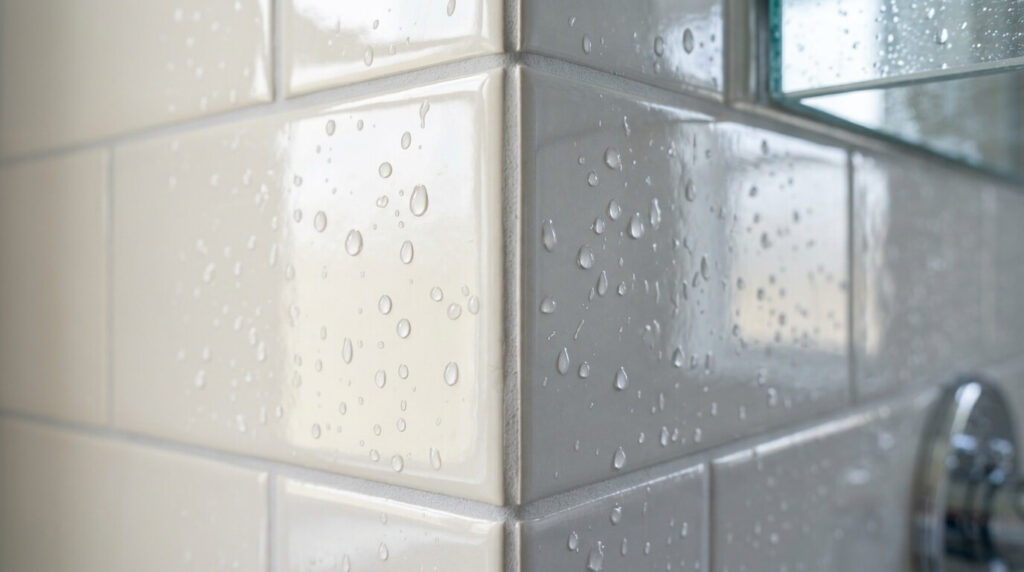
Wondering if ceramic tile is good for shower walls? See the water-resistance ratings, costs, and install steps that actually matter before you buy. Yes — glazed ceramic tile is a solid choice for shower walls. The glaze creates a non-porous surface that resists water, it’s available in nearly every color and shape imaginable, and it costs less than most alternatives. The catch is that “ceramic tile” isn’t one single product. Some ceramic tiles are rated for walls only, some shouldn’t go anywhere near a shower, and the difference comes down to a water-absorption spec most shoppers never check.
That spec — not the word “ceramic” itself — is what actually determines whether a tile belongs on your shower wall.
What Makes Ceramic Tile Work on Shower Walls
Glazed Surface and Water Absorption Ratings
Ceramic tile starts as clay that’s shaped and fired in a kiln. A glazed finish is then baked onto the surface, creating a glass-like layer that water can’t penetrate. That glaze is the entire reason glazed ceramic performs well in a shower — strip it away (unglazed tile) and you’re left with a porous body that behaves very differently.
The tile industry classifies how absorbent a tile is using a few standard tiers:
- Impervious: absorbs less than 0.5% of its weight in water
- Vitreous: absorbs 0.5%–3%
- Semi-vitreous: absorbs 3%–7%
- Non-vitreous: absorbs more than 7%
Most glazed ceramic wall tile falls in the vitreous range, which is perfectly adequate for vertical, lower-exposure surfaces like shower walls — it’s the floor and constantly-submerged areas where the stricter impervious rating matters more.
Durability From Kiln-Firing
Because ceramic is fired at high heat, it holds up well to years of daily water exposure, soap, and steam. It won’t warp, rot, or corrode the way wood or metal tile can — two materials that fail quickly in wet, humid environments.
Style and Design Flexibility
Glazed ceramic comes in more colors, patterns, and finishes than almost any other tile category, from classic 3×6 subway tile to penny rounds, large-format rectangles, and hand-glazed artisanal looks. If you’re set on a specific aesthetic, ceramic is unlikely to be the limiting factor.
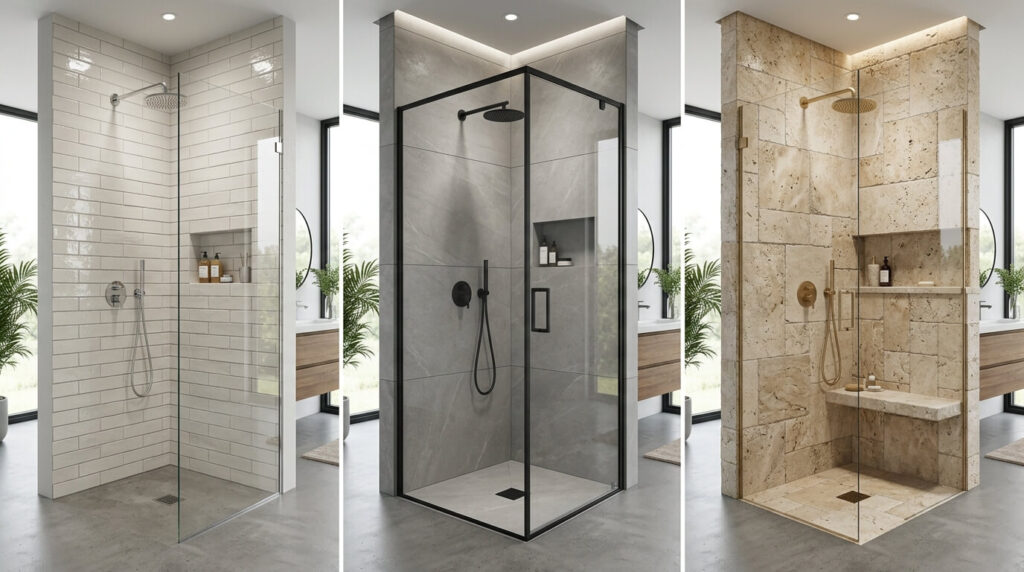
Ceramic vs. Porcelain vs. Natural Stone for Shower Walls
| Factor | Glazed Ceramic | Porcelain | Natural Stone (marble, limestone, travertine) |
|---|---|---|---|
| Water absorption | Vitreous (0.5%–3%) typical | Impervious (under 0.5%) | Often porous; needs ongoing sealing |
| Best use on shower walls | Yes | Yes | Yes, with regular sealing |
| Relative cost | Lowest | Mid-to-high | Highest |
| Weight | Lightest | Heavier | Heaviest |
| Maintenance | Low | Lowest | Highest (resealing required) |
| Design range | Widest color/pattern variety | Can mimic stone/wood | Natural veining, no two pieces identical |
For shower walls specifically — not floors — glazed ceramic and porcelain are both genuinely good options. The choice between them usually comes down to budget and how much maintenance you want long-term, not whether either one “works.”
Where Ceramic Tile Falls Short
Shower Floors Need a Different Spec
This is the most common mix-up. A ceramic tile rated for walls may not be rated for floors — wet, glazed surfaces can become slippery underfoot, and many wall-rated tiles don’t meet the slip-resistance threshold floors require. Always check the tile’s specification sheet for a floor rating (often expressed as a DCOF — dynamic coefficient of friction — value) before installing it underfoot, even if the same tile is perfectly fine on the wall above it.
Unglazed or Low-Fire Ceramic
Unglazed ceramic, or tile fired at lower temperatures, lacks the protective surface that makes glazed ceramic shower-safe. These tiles absorb water readily, which can lead to staining, mold in the grout lines, and gradual deterioration of the tile body itself. If a product doesn’t specify a glaze and a water-absorption class, treat that as a red flag for shower use.
What to Check Before You Buy Shower Wall Tile
Water Absorption Class
Look for “vitreous” or “impervious” on the spec sheet. Skip anything listed as non-vitreous for a wet wall.
Tile Size and Lippage
Larger-format tiles create a cleaner, more seamless look but require precise installation to avoid lippage (uneven edges between adjacent tiles). For a DIY installer, mid-size tiles (roughly 4×12 to 8×8) are typically more forgiving than oversized slabs.
Glaze Finish: Gloss vs. Matte
Gloss finishes are the easiest to wipe clean and resist soap scum best. Matte finishes hide water spots and fingerprints better but can show mineral buildup over time if water is hard.
Installing Ceramic Tile on Shower Walls the Right Way
Backer Board and Waterproofing Membrane
Ceramic tile is only as water-resistant as what’s behind it. Cement backer board or a foam waterproofing panel, paired with a liquid or sheet waterproofing membrane at seams and corners, is what actually keeps water out of your wall framing — the tile and grout are the visible layer, not the only line of defense.
Grout Choice: Cement-Based vs. Epoxy
Standard cement-based grout is the more affordable, widely available option, but it’s porous and benefits from sealing. Epoxy grout costs more and is trickier to install, but it resists staining and moisture far better — a worthwhile upgrade for high-use showers.
Sealing
Most glazed ceramic tile itself doesn’t need sealing, but cement-based grout almost always does. Skipping this step is one of the most common reasons shower tile installations develop discoloration or mildew within the first year.
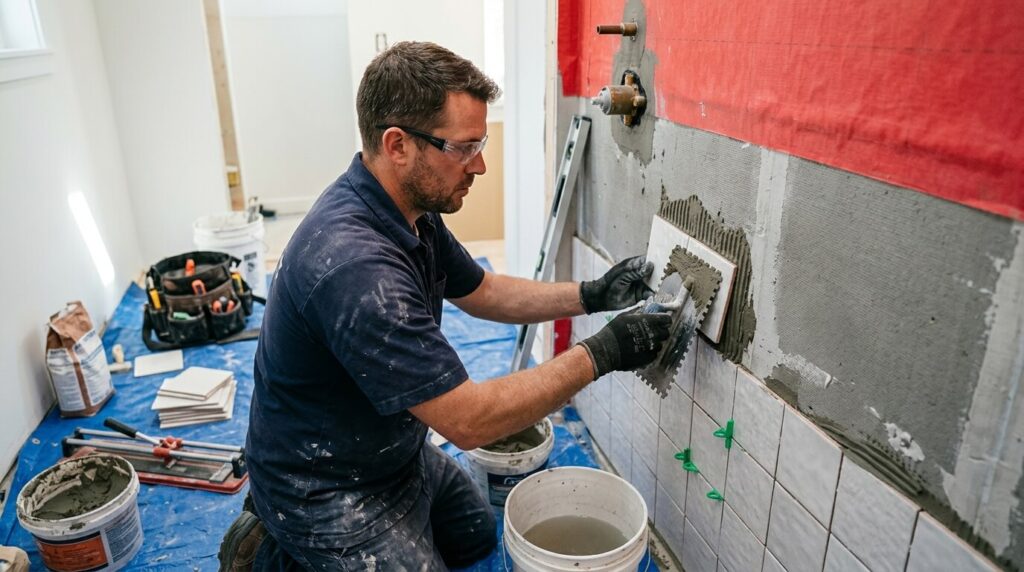
Is Ceramic Tile Good For Shower Walls
Cost of Ceramic Tile for Shower Walls
Ceramic tile is generally the most budget-friendly option in this category, with material costs typically running lower per square foot than porcelain or natural stone. Installation labor adds to that baseline cost and varies significantly by region, tile size, and pattern complexity.
How Long Does Ceramic Tile Last in a Shower?
With proper installation (correct backer board, membrane, and grout) and basic maintenance, glazed ceramic tile on shower walls commonly lasts well over a decade — many installations remain functional and attractive for 20+ years. The tile itself rarely fails first; grout deterioration or installation shortcuts are the more common points of failure.
Maintenance and Cleaning Tips
- Clean with a mild, pH-neutral cleaner rather than harsh acidic or abrasive products, which can wear down glaze and grout over time.
- Wipe down walls after showering when possible to reduce mineral buildup and soap scum.
- Reseal cement-based grout periodically (check your grout manufacturer’s recommended interval).
- Address cracked grout or loose tile promptly — small gaps let water behind the tile, where damage isn’t visible until it’s significant.
FAQ Is Ceramic Tile Good For Shower Walls
Is ceramic tile waterproof enough for a shower?
Glazed ceramic tile is highly water-resistant, not fully waterproof on its own — the waterproofing comes from the membrane and backer board behind it, with the tile and sealed grout as the protective surface layer.
What’s the difference between ceramic and porcelain tile for shower walls?
Porcelain is fired at a higher temperature from denser clay, giving it lower water absorption and greater durability. Ceramic is more affordable and offers a wider design range. For walls specifically, both perform well.
Can ceramic tile be used on shower floors too?
Some can, but only if the specific tile is rated for floor use with adequate slip resistance — a wall rating alone isn’t enough.
Does ceramic tile need to be sealed in a shower?
The glazed tile surface usually doesn’t, but cement-based grout typically does need periodic sealing.
How long does ceramic tile last in a shower?
Often 15–20+ years with correct installation and routine grout maintenance.
What size ceramic tile is best for shower walls?
Mid-size formats (roughly 4×12 to 8×8) balance an updated look with manageable installation, though larger formats work well with experienced installers.
Is ceramic tile cheaper than porcelain for a shower?
Generally yes, on both material and typical installation cost, though pricing varies by brand, finish, and region.
Conclusion
Ceramic tile earns its reputation as a shower wall workhorse: it’s water-resistant when glazed, durable, affordable, and available in nearly any look you want. The decision isn’t really “ceramic or not” — it’s making sure the specific tile you choose is glazed, rated vitreous or better, and installed over proper waterproofing. Get those three things right, and ceramic tile on shower walls is built to last for decades.