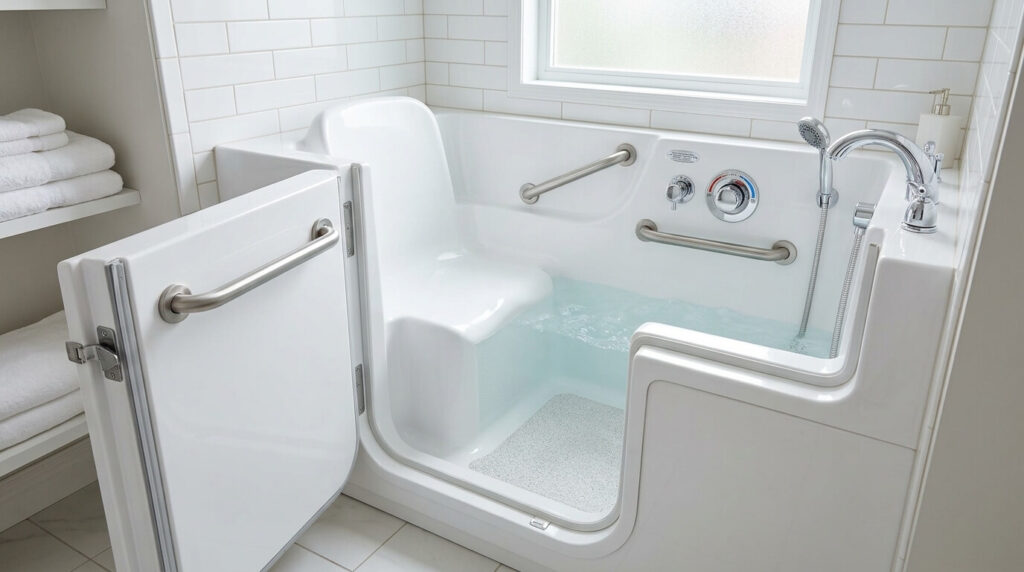
Discover the best walk in bathtubs for seniors, designed for safety, comfort, and independence. Compare features, benefits, costs, and accessibility options to find the perfect bathtub for aging adults. Every year, more than 235,000 older adults are treated in emergency departments for bathroom fall injuries — and the bathtub is one of the most dangerous spots in the home. For millions of seniors and caregivers, that statistic isn’t abstract. It’s the reason they start searching for a better solution.
Walk-in bathtubs for seniors represent one of the most practical investments in aging-in-place safety. Designed with a low step-in threshold, a watertight door, built-in seating, and a range of therapeutic features, these tubs eliminate the high-step obstacle that makes conventional bathtubs so hazardous for older adults.
This guide covers everything you need to know — from how walk-in tubs work and which types exist, to exact cost ranges, insurance options, installation timelines, and the red flags to watch for when buying. Whether you’re a senior exploring options or a family member helping a loved one, you’ll leave with a clear picture of what to look for and how to choose wisely.
What Is a Walk-In Bathtub?
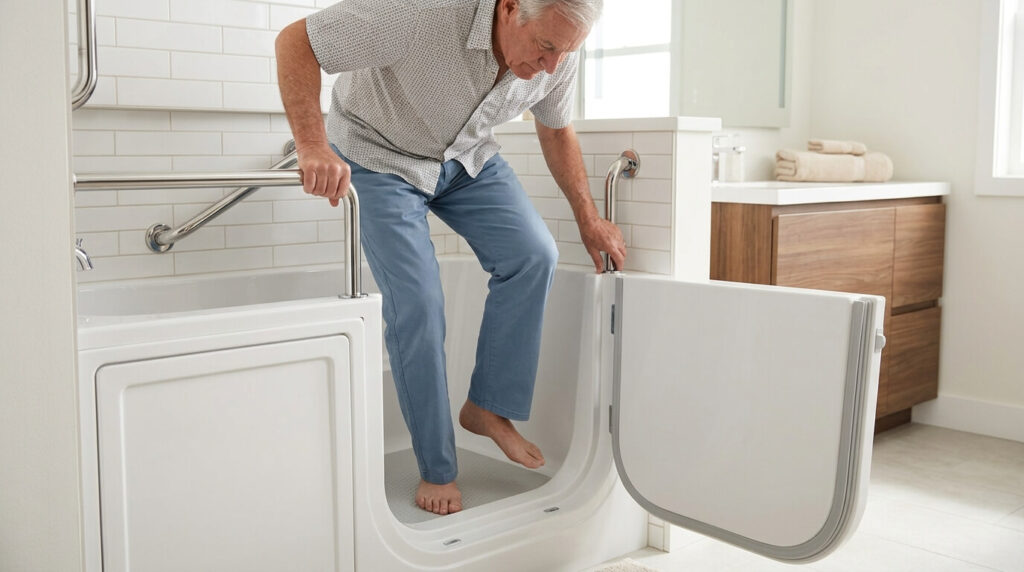
A walk-in bathtub is a specialized tub designed for people with limited mobility or balance challenges. Unlike a standard bathtub — which requires stepping over a 14–18 inch wall — a walk-in tub features:
- A low-threshold entry door (typically 3–7 inches high) built into the side of the tub
- An inward-swinging or outward-swinging watertight door that seals completely when closed
- A built-in seat that allows you to bathe in a seated position
- A drain and fill system sized for faster water flow
The basic sequence of use is important to understand: you enter the tub first, close and seal the door, then fill the tub with water. After bathing, you drain the water completely before opening the door to exit. This process means you’ll wait 3–10 minutes for the tub to drain before stepping out — a drawback worth knowing upfront.
Who Benefits Most from a Walk-In Tub?
Walk-in bathtubs aren’t only for people who have already experienced a fall. They’re ideal for:
- Seniors aging in place who want to maintain independence at home
- Individuals with arthritis, whose joint pain makes high stepping and bending painful
- People recovering from hip or knee replacement surgery
- Those with Parkinson’s disease or multiple sclerosis, who benefit from stability features
- Individuals with balance or vestibular disorders
- Family caregivers who assist loved ones with bathing
- People with chronic pain conditions who benefit from hydrotherapy
Even for seniors who feel reasonably steady on their feet today, a walk-in tub functions as a proactive investment — one that supports continued independence as mobility naturally changes with age.
Types of Walk-In Bathtubs for Seniors
Not all walk-in tubs are built the same. Understanding the main types helps you match the right product to your needs and budget.
1. Soaker Walk-In Tubs
The most basic and affordable type. A soaker tub provides the essential safety features — low threshold, door, seating, and grab bars — without jets or massage features. Good for seniors whose primary concern is fall prevention rather than therapeutic benefits.
Best for: Budget-conscious buyers; those who simply need safe, comfortable bathing.
2. Air Jet (Air Therapy) Walk-In Tubs
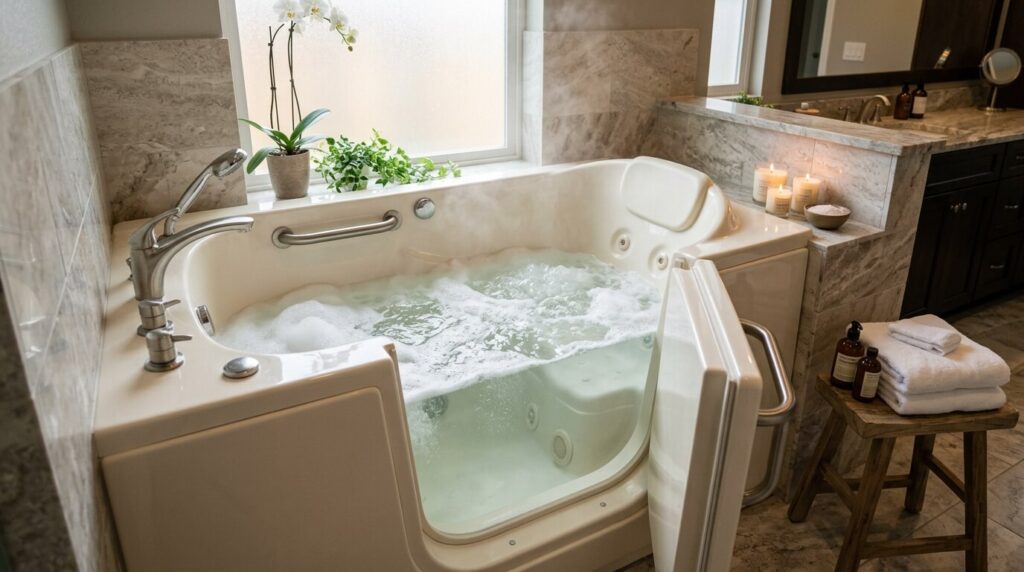
Air therapy tubs use dozens of small jets to push warm air bubbles through the water, creating a gentle, effervescent massage. Because air jets don’t recirculate water, they’re easier to keep clean and have a lower risk of bacterial growth than water jets.
Best for: Seniors with sensitive skin; those wanting a gentle, relaxing massage without high water pressure.
3. Hydrotherapy (Water Jet) Walk-In Tubs
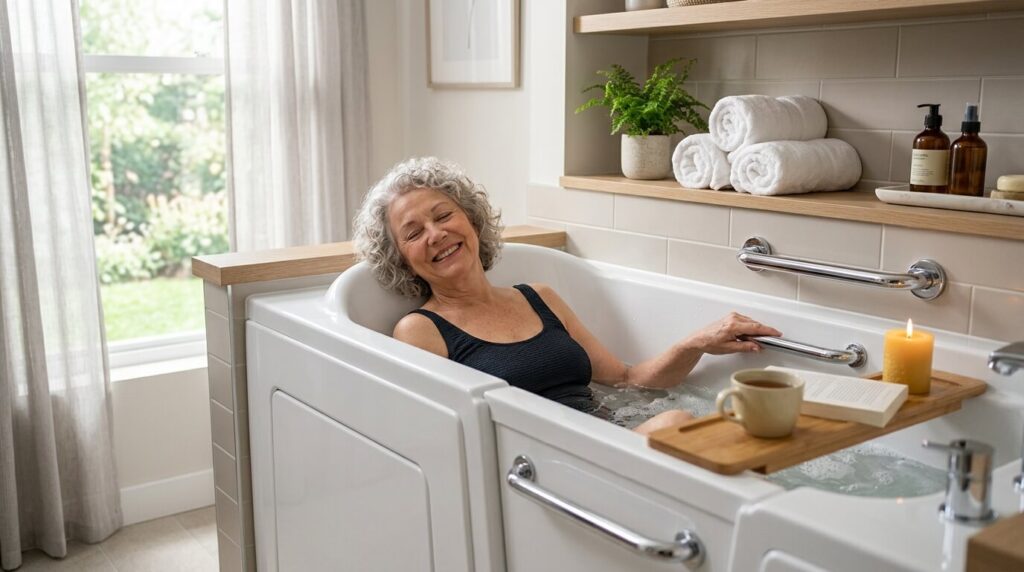
Hydrotherapy tubs use powerful water jets to target specific muscle groups with direct water pressure. Research published in peer-reviewed journals supports hydrotherapy for reducing pain and stiffness associated with arthritis, fibromyalgia, and other musculoskeletal conditions. Many seniors find these tubs dramatically improve their mobility and sleep quality.
Best for: Seniors with arthritis, joint pain, muscle soreness, or circulation issues.
4. Combination Jet Walk-In Tubs
These dual-system tubs offer both air and water jets, giving users the ability to choose their preferred therapy or use both simultaneously. They tend to be wider, deeper, and more expensive than single-system models.
Best for: Seniors who want maximum therapeutic versatility; couples where both users have different preferences.
5. Walk-In Tub/Shower Combos
A hybrid design that incorporates a standard or rainfall shower head alongside the walk-in tub features. The tub functions as both a soaking bath and an accessible shower. This is particularly popular in smaller bathrooms where a separate shower stall isn’t feasible.
Best for: Those who want both bathing options in one fixture; small bathroom renovations.
6. Bariatric Walk-In Tubs
Wider and reinforced to support higher weight capacities — typically 600 lbs or more. Standard walk-in tubs usually accommodate 300–400 lbs. Bariatric models feature wider seats, wider doors, and reinforced floor supports.
Best for: Larger individuals who need sturdier construction and more interior room.
7. Two-Door Walk-In Tubs
A premium option featuring a door on each end or side of the tub. The advantage: you can exit from a different position than you entered, which some users find easier. The disadvantage: two door seals mean more potential leak points over time.
Best for: Seniors with specific mobility patterns; wheelchair users who transfer from one direction.
Key Safety Features to Look For
Safety is the primary reason most seniors invest in a walk-in bathtub. Not all tubs are created equal, and the quality and placement of safety features vary widely between manufacturers.
Low-Entry Threshold
The threshold — the height you must lift your foot to step into the tub — is the most critical measurement. Look for thresholds of 3–4 inches, not 6–7 inches. Even a 3-inch difference can be significant for someone with hip stiffness or limited range of motion. Always confirm the exact threshold height before purchasing.
Watertight Inward Door Seal
The door gasket must create a completely watertight seal. Inferior seals degrade over time and can lead to leaks. Ask manufacturers about the expected lifespan of the door seal and the process for replacement. Quality doors should feel substantial, with no flex when latched.
Built-In Grab Bars
Look for stainless steel or chrome-plated grab bars that are welded directly into the tub structure — not add-on accessories screwed into acrylic. Bars should be positioned for entry/exit assistance as well as support while seated. ADA guidelines recommend grab bars capable of supporting 250 lbs.
Slip-Resistant Floor and Seat
The tub floor and seat should feature textured, slip-resistant surfaces — not smooth acrylic. Some manufacturers apply a gel coat that can wear smooth over time. Ask specifically about surface texture durability and whether it can be renewed.
Anti-Scald Temperature Control
Older adults have thinner skin and reduced sensitivity to heat, making scalding a genuine risk. Quality walk-in tubs include thermostatic controls or anti-scald valves that limit water temperature to 120°F (49°C) or lower. This is a non-negotiable safety feature.
Low-Profile Threshold and Step Assist
Some models include a small fold-down step or platform to make the initial entry even easier. While not universally offered, this feature is worth asking about if the person using the tub has significant hip or leg limitations.
Quick-Drain Technology
Since users must remain in the tub until it fully drains before exiting, drain speed matters. Standard tubs can take 8–12 minutes to drain completely. High-performance quick-drain systems can empty a tub in under 3 minutes, reducing the time a bather sits in cooling water.
Wide Door Opening
The door opening width should accommodate comfortable entry — typically 17–22 inches. If the user relies on a walker or wheelchair, look for ultra-wide door models (24+ inches) and confirm they’re compatible with your specific mobility aid.
Therapeutic Benefits of Walk-In Tubs for Seniors
Beyond fall prevention, the therapeutic features available in modern walk-in tubs offer measurable health benefits for older adults.
Hydrotherapy and Pain Relief
Warm water therapy has a well-documented history in physical medicine and rehabilitation. Immersion in warm water:
- Reduces pressure on weight-bearing joints (buoyancy effect)
- Increases circulation and oxygen delivery to muscles
- Promotes muscle relaxation and reduces spasm
- Can decrease the perception of chronic pain
- Has shown benefits for osteoarthritis, rheumatoid arthritis, and lower back pain
A 2014 study published in the journal Rheumatology International found that balneotherapy (spa/bath therapy) significantly reduced pain scores in patients with knee osteoarthritis.
Improved Circulation
The combination of warm water and jet massage promotes vasodilation — widening of the blood vessels — which improves peripheral circulation. This is particularly beneficial for seniors with diabetes, peripheral vascular disease, or cold extremities.
Mental Health and Stress Reduction
Cleveland Clinic research indicates that warm baths help regulate serotonin levels, supporting mood stability and reducing anxiety. The ritual of a warm, private soak can also reduce cortisol levels and improve sleep onset. For seniors dealing with loneliness, depression, or anxiety, the daily act of a comfortable bath can be a meaningful anchor.
Chromotherapy (Color Light Therapy)
Some premium walk-in tubs include LED chromotherapy lighting — colored lights that cycle through the spectrum. While the science on chromotherapy is still emerging, many users report enhanced relaxation during their soaking sessions.
Aromatherapy Integration
Certain models include built-in aromatherapy dispensers that release essential oils into the air or water during the bath. Lavender, eucalyptus, and peppermint are popular choices for relaxation and congestion relief.
Walk-In Bathtub Features Comparison Table
| Feature | Basic Soaker | Air Jet | Water Jet | Combination |
|---|---|---|---|---|
| Low threshold (≤4″) | ✓ | ✓ | ✓ | ✓ |
| Built-in seat | ✓ | ✓ | ✓ | ✓ |
| Grab bars | ✓ | ✓ | ✓ | ✓ |
| Anti-scald valve | ✓ | ✓ | ✓ | ✓ |
| Slip-resistant floor | ✓ | ✓ | ✓ | ✓ |
| Air massage jets | ✗ | ✓ | ✗ | ✓ |
| Water massage jets | ✗ | ✗ | ✓ | ✓ |
| Heated seat/backrest | ✗ | Optional | Optional | ✓ |
| Quick-drain system | Optional | Optional | Optional | ✓ |
| Chromotherapy | ✗ | Optional | Optional | Optional |
| Shower head included | ✗ | Optional | Optional | Optional |
| Typical price range | $1,500–$3,000 | $2,500–$5,000 | $3,000–$7,000 | $5,000–$12,000+ |
How Much Do Walk-In Bathtubs Cost?
Walk-in tub costs span a wide range, and many buyers are caught off guard by the difference between the advertised product price and the total installed cost. Here’s a transparent breakdown.
Tub Purchase Price
- Basic soaker tubs: $1,500–$3,000
- Air jet tubs: $2,500–$5,000
- Water jet tubs: $3,000–$7,000
- Combination jet tubs: $5,000–$12,000
- Premium or luxury models (Kohler, American Standard): $8,000–$20,000+
Installation Costs
Professional installation is typically required and adds $1,000–$5,000 depending on:
- Your current bathroom layout and plumbing
- Whether the existing tub space needs to be modified or expanded
- The need for new electrical connections (jets and heated seats require dedicated circuits)
- Local labor rates
- Whether wall surrounds need to be replaced
Important: Some manufacturers, like Kohler Walk-In Bath, quote the tub and installation as a bundled price. Others quote them separately. Always ask for an all-in quote that includes installation, permits, and any plumbing or electrical upgrades.
Total Installed Cost Ranges
- Budget installations: $3,000–$6,000
- Mid-range installations: $6,000–$12,000
- Premium installations: $12,000–$25,000+
Ongoing Costs to Consider
- Increased water heating costs: Walk-in tubs hold 40–80 gallons, significantly more than standard tubs (40–60 gallons). Filling and reheating costs more.
- Maintenance: Jet systems require periodic cleaning with tub-cleaning solutions. Budget $50–$150/year.
- Door seal replacement: Typically needed every 5–10 years; cost varies by brand.
- Extended warranty: Optional; can range from $200–$1,000 beyond the manufacturer warranty.
Will Medicare or Insurance Pay for a Walk In Bathtubs For Seniors?
This is one of the most searched questions — and unfortunately, the straightforward answer is: Original Medicare (Parts A and B) generally does not cover walk-in bathtubs, because they are classified as home modifications rather than durable medical equipment.
However, there are several legitimate pathways to financial assistance:
Medicaid Home and Community-Based Waivers
Many states offer Medicaid waiver programs that fund home modifications for eligible low-income seniors. Programs vary by state, but modifications like walk-in tub installation may qualify. Contact your State Health Insurance Assistance Program (SHIP) or local Area Agency on Aging for guidance.
Veterans Benefits (VA)
The Department of Veterans Affairs offers two programs that may cover walk-in tub installation:
- Specially Adapted Housing (SAH) Grant: Up to $101,754 for eligible veterans with service-connected disabilities
- Home Improvement and Structural Alterations (HISA) Grant: Up to $6,800 for veterans with service-connected conditions; up to $2,000 for non-service-connected conditions
Supplemental Security Income (SSI) and State Programs
Some states have independent aging-in-place modification programs for low-income seniors. Organizations like Rebuilding Together also offer no-cost home modifications to qualifying homeowners.
HSA and FSA Accounts
Health Savings Accounts (HSA) and Flexible Spending Accounts (FSA) can typically be used to pay for walk-in tubs when a physician documents the medical necessity. Keep documentation of any doctor’s recommendation.
Home Equity Options
Home Equity Lines of Credit (HELOC) and home equity loans offer relatively low-interest financing for this type of improvement, and the expense may be deductible if the modification is medically necessary.
Manufacturer Financing
Many walk-in tub manufacturers offer in-house financing, sometimes with promotional 0% interest periods. Read the fine print carefully — deferred interest deals can become costly if not paid in full within the promotional period.
Walk-In Tub vs. Roll-In Shower: Which Is Right for You?
Some seniors face a genuine choice between installing a walk-in tub or converting to a roll-in/walk-in shower. Each has real advantages.
Walk-In Tub Advantages
- Full soaking bath experience
- Therapeutic jet options
- Better for those who enjoy long, warm soaks
- Beneficial for chronic pain management
Walk-In Tub Disadvantages
- Must wait inside tub while it drains before exiting
- Higher water consumption
- Higher cost than basic shower conversion
- Larger footprint
Roll-In Shower Advantages
- Wheelchair accessible — no door seal needed
- No waiting for water to drain before exiting
- Easier for caregivers to assist
- Generally less expensive
- Lower water consumption
Roll-In Shower Disadvantages
- No soaking bath option
- Less thermal therapeutic benefit
- Cold transition when leaving the shower
The verdict: If therapeutic bathing and soaking are priorities, a walk-in tub makes sense. If the primary concern is wheelchair accessibility, caregiver ease, or budget, a roll-in shower may be the better choice. Many seniors install both — a walk-in shower for daily use and a walk-in tub for therapeutic soaking.
Walk-In Bathtub Installation: What to Expect
Understanding the installation process helps you plan realistically and avoid surprises.
Step 1: In-Home Consultation and Measurement
A professional consultant measures your existing bathroom, evaluates plumbing and electrical access, and identifies any structural modifications needed. Standard walk-in tubs are designed to fit most existing tub alcoves (typically 30″ x 60″), but non-standard layouts may require customization.
Step 2: Choosing Your Tub and Features
After measurement, you select the tub model, door orientation (left-hinge or right-hinge), color, fixture finish, and optional features. Door orientation is particularly important — confirm that the inward-swinging door doesn’t open toward any obstacle in your bathroom.
Step 3: Removal of Existing Tub
The old tub and wall surround are removed. Plumbing may need to be adjusted or extended depending on drain and faucet placement differences between the old and new unit.
Step 4: Electrical Work (If Required)
Jet systems and heated features typically require a dedicated 20-amp GFCI-protected electrical circuit. This work must be performed by a licensed electrician and may require a permit.
Step 5: Tub Installation and Waterproofing
The new tub is set in place, leveled, and anchored. Wall surrounds are installed. All plumbing connections and the door seal are tested thoroughly before completion.
Step 6: Final Testing and Walkthrough
A good installer will fill and drain the tub in your presence, test all jets and features, demonstrate door sealing and locking, and walk you through the operating procedures.
Installation timeline: Most single-day installations are possible when no structural modifications are required. Complex renovations may take 2–3 days.
Top Walk-In Bathtub Brands Compared
Kohler Walk-In Bath
One of the most recognizable names in bathroom fixtures. Kohler offers a comprehensive lineup with strong brand recognition and a nationwide service network. Their tubs are known for build quality and design aesthetics. Tend toward the premium price tier.
American Standard Walk-In Tubs
Another established fixture brand with a range of walk-in tub options. American Standard is often cited for competitive pricing relative to features and a solid dealer network.
Safe Step Walk-In Tubs
A specialized walk-in tub company (not a general fixture brand) with an extensive feature list including bidet, chromotherapy, aromatherapy, and Bluetooth. Known for aggressive promotional offers.
Bath Fitter
More broadly a bath remodeling company that includes accessible bath solutions. Known for custom-fit acrylic liners and relatively quick installation.
Premier Care in Bathing
A long-standing specialist in accessible bathroom products. Offers customization options and a range of bariatric models.
Re-Bath
A franchise-based bath remodeling company with accessible options including walk-in tubs with their proprietary DuraGard slip-resistant surface.
Buying tip: Don’t select a brand based solely on advertising. Request itemized quotes from at least 3 providers. Ask specifically about door seal warranty, jet system warranty, and who performs service calls in your area.
Common Mistakes to Avoid When Buying a Walk In Bathtubs For Seniors
1. Buying Based on Phone Quotes Alone
Always get a professional in-home measurement before committing. A tub that doesn’t fit your alcove or requires major plumbing work will cost far more than quoted.
2. Ignoring the Drain Speed
A 10-minute wait for draining isn’t just inconvenient — in winter, it means sitting in cooling water. Confirm exact drain speed with real-world timings, not marketing language.
3. Skipping the Door Orientation Discussion
An inward-swinging door that opens toward a wall or toilet can be impossible to enter. Confirm door swing direction and confirm the space is clear.
4. Overlooking Long-Term Service Availability
Walk-in tubs contain pumps, valves, and electronic controls that can require service. Before buying from any brand, ask: “Who services this unit in my city, and what is the typical response time?”
5. Assuming Medicare Will Cover It
As covered above, Original Medicare typically does not cover walk-in tubs. Don’t make a purchase decision assuming reimbursement will follow.
6. Choosing the Lowest Price Without Comparing Warranties
Warranty terms vary enormously. Some offer lifetime structural warranties but only 1-year component coverage. Others offer comprehensive 10-year coverage. Compare warranty scope, not just duration.
7. Not Testing the Door Yourself
If possible, visit a showroom and step in and out of the tub yourself. What feels manageable in a brochure can feel very different in person.
Walk-In Bathtub Maintenance and Car
A walk-in tub is a significant investment. With proper care, quality tubs should last 15–25 years.
After Every Use
- Rinse the tub surface with clean water to remove soap residue
- Wipe the door seal dry to extend gasket life
- Leave the door slightly ajar to allow interior drying and prevent mildew
Weekly Cleaning
- Clean the tub with a non-abrasive, non-bleach bathroom cleaner
- Avoid abrasive scrubbers that can scratch acrylic or gel-coat surfaces
- Clean the door track and gasket with a damp cloth
Monthly Jet Maintenance
- For air jet systems: Run the jets for 10–15 minutes with a tub-cleaning tablet dissolved in water (available from the manufacturer or online)
- For water jet systems: Fill with hot water and add a specialty jet-cleaning solution; run jets for 15–20 minutes, then drain and rinse
Annual or Semi-Annual Inspection
- Check the door seal for cracks, hardening, or deformation
- Inspect grab bars for any loosening at the mount points
- Test the anti-scald valve temperature setting
- Check all jet nozzles for blockage
Door Seal Replacement
Plan to replace the door seal every 5–10 years, or sooner if you notice any dripping or compression loss. Most manufacturers sell replacement seals, and this is typically a DIY-capable task.
ADA Compliance and Accessibility Standards
While private homes are not legally required to meet ADA (Americans with Disabilities Act) standards, ADA guidelines provide a useful benchmark for accessible bathroom design.
Key ADA considerations for walk-in tub installations:
- Grab bar strength: ADA recommends grab bars support 250 lbs of force
- Clear floor space: 30″ x 48″ of clear floor space adjacent to the tub for wheelchair transfer
- Seat height: 17–19 inches from floor for comfortable seated transfer
- Door width: 32″ minimum clear width for wheelchair passage to the tub area
- Non-slip surfaces: Coefficient of friction ≥ 0.6 for wet surfaces
If the installation involves a full bathroom remodel, consulting an occupational therapist (OT) who specializes in aging-in-place design is worthwhile. OTs can assess the specific user’s functional limitations and recommend the exact configuration that will serve them best — something no showroom visit alone can accomplish.
What Competitors Don’t Tell You
After analyzing the leading competitor articles, several important topics are consistently absent or glossed over:
The “wet wait” problem: Most articles briefly mention that you must drain before exiting but don’t explain the real-world experience. Sitting in a tub while water slowly drains is uncomfortable in cooler temperatures. Quick-drain technology is worth paying for — not just a luxury upgrade.
Resale value impact: A walk-in tub can actually reduce resale value in some markets because most buyers prefer standard tubs. If you’re likely to sell your home in the next 5 years, weigh this factor. It doesn’t mean the investment is wrong — but it changes the calculus.
The caregiver angle: Many articles focus exclusively on the senior user. But a walk-in tub can also significantly reduce the physical strain on caregivers who assist with bathing, lowering their risk of back injury during transfers.
Mold risks in jet systems: Water jet systems that are not cleaned regularly are susceptible to biofilm buildup. This is a real hygiene concern, particularly for immunocompromised users. Ask the manufacturer specifically about jet system cleaning protocols before purchasing.
Noise levels: Water jets can be quite loud. For seniors with hearing sensitivity, tinnitus, or sensory processing challenges, this can be a significant comfort issue worth testing before purchase.
FAQ Walk In Bathtubs For Seniors
Q: How long does it take to fill and drain a walk-in bathtub?
A: Standard fill time is 5–10 minutes. Drain time varies significantly: standard drains take 8–12 minutes; rapid-drain systems can empty the tub in under 3 minutes. Always confirm the specific drain time with the manufacturer.
Q: Can I use a walk-in tub if I have a pacemaker?
A: The jets and warm water immersion associated with walk-in tubs may be contraindicated for some cardiac conditions. Always consult your cardiologist before using a hydrotherapy tub, particularly one with strong water jets.
Q: What is the minimum bathroom size needed for a walk-in tub?
A: Most standard walk-in tubs are designed to fit a 30″ x 60″ alcove — the same as a standard tub. However, the door swing requires additional clear floor space. A minimum bathroom width of 5 feet is generally recommended, but an in-home measurement is essential.
Q: Are walk-in tubs safe for people with diabetes?
A: Heat and hydrotherapy can affect blood sugar and circulation in people with diabetes. If you have diabetes, especially with peripheral neuropathy, consult your physician before purchasing. Anti-scald protection is especially important since reduced foot sensation makes scalding a genuine risk.
Q: Can walk-in tubs be used as a shower only?
A: Walk-in tub/shower combo models include a showerhead and can be used for showering without filling the tub. Standard walk-in tubs without a shower combo feature can accommodate a handheld shower wand, but the setup isn’t optimized for shower use.
Q: How much weight can a walk-in tub hold?
A: Standard models typically support 300–400 lbs. Bariatric models are available that support 600 lbs or more. Always verify the specific weight rating of the model you’re considering.
Q: What happens if the door seal fails?
A: A failed door seal causes leakage during filling. Most manufacturers provide door seal replacement parts. Regular inspection and timely replacement prevents this issue. A leaking seal should be replaced before further use.
Q: Do walk-in tubs require special plumbing?
A: The drain location and water supply connections typically match standard tub configurations. However, jet systems require electricity, and some installations require plumbing adjustments. A professional assessment before purchase is essential.
Q: Is a walk-in tub covered by long-term care insurance?
A: Some long-term care insurance policies include home modification benefits. Review your specific policy or contact your insurer to confirm whether a medically necessary walk-in tub would qualify.
Q: How do walk-in tubs handle the “trapped in the tub” scenario if power goes out?
A: Quality walk-in tubs have manually operated drains that function without electricity. Even if the jet system or electronic controls fail, gravity drain will still empty the tub. Confirm manual override capability before purchasing.
Q: What is the best door orientation — inward or outward swing?
A: Most walk-in tubs use an inward-swinging door (which seals against water pressure and is more watertight). Outward-swinging doors allow entry/exit while the tub is filled with water, eliminating the drain-wait problem, but the seal relies on a different mechanism. Discuss both options with your installer given your specific bathroom layout.
Q: Can two people use a walk-in tub together?
A: Walk-in tubs are generally designed for single-person use. They’re narrower than standard soaking tubs. Two-person use is not typically recommended and may exceed weight limits on standard models.
Q: How do I know if a walk-in tub company is reputable?
A: Check Better Business Bureau (BBB) ratings, read reviews on independent platforms like Consumer Affairs or Trustpilot, verify the company has licensed plumbers and electricians doing the installation, and confirm they have local service capability — not just national call center support.
Q: Are there alternatives to a full walk-in tub installation?
A: Yes. Alternatives include tub transfer benches, tub cut-out kits (which lower the entry threshold of an existing tub), handheld showerheads with tub seats, and full shower conversions. These are significantly less expensive but also provide fewer therapeutic features.